Video editing course fees in Noida depend on the course duration, level of training, and practical skills covered in the programme. At MAAC Noida Extension, short-term video editing courses start from around ₹25,000, while longer professional programmes have different fee structures based on the training included.
But the course fee alone doesn’t tell you whether a programme is worth joining. You should also consider which editing software you’ll learn, how much practical work is included, whether you’ll work on real projects and what kind of guidance you’ll receive from trainers.
If you’re planning to learn video editing after 12th or looking to develop professional editing skills, this guide will help you compare course fees, understand the available training options and know what to check before enrolling in a video editing institute in Noida.
• Video editing course fees in Noida vary depending on the course duration, training level, software and practical work included.
• At MAAC Noida Extension, short-term video editing courses start from around ₹25,000. The fee for longer programmes depends on the course you choose.
• Beginners can consider short-term training, while students looking for more advanced skills may prefer a longer programme.
• Before enrolling, check whether the course includes software training, practical assignments, project work and certification.
• If you are comparing MAAC video editing course fees, ask the centre for the latest fee structure, payment options and any additional charges.
• Don’t choose a video editing course based on price alone. Compare the syllabus, course duration, trainer guidance and practical learning opportunities before making a decision.
Video Editing Course Fees in Noida: 2027 Fee Structure
Video editing course fees in Noida vary depending on how long you study and the level of training you choose. A short-term course may focus on editing basics, while an advanced programme can include motion graphics, colour grading, audio editing and practical projects.
At MAAC Noida Extension, video editing training is available through beginner, advanced and professional diploma programmes. Short-term courses start from around ₹25,000, while the fee for longer programmes depends on the course structure and training included.
Here is a breakdown of the available course options, their duration and the fee details you should check before enrolling.
The actual fee depends on the programme you select and the training included. Before enrolling, ask for a detailed fee breakdown covering admission charges, course materials, certification and any other applicable costs. You can also check whether instalment or EMI payment options are available.
Video editing programme
Duration
CourseFee
Beginner Course
3 months
Enquire for current fees
Advanced Course
6 months
Enquire for current fees
Professional Diploma
9–12 months
Enquire for current fees
The total course fee may also depend on applicable admission charges, course materials and other programme-related costs. Before enrolling, ask the institute for a complete fee breakdown so you know exactly what is included. You can also enquire about available instalment or EMI options.
A practical tip: If you’re new to video editing, try creating a few basic videos using free editing software before enrolling in a professional course. This will help you understand whether you enjoy editing and which skills you want to develop. Once you’re ready for structured learning, compare classroom programmes based on their syllabus, practical training and course fees.
What Does the Video Editing Course Fee at MAAC Noida Extension Include?
When comparing video editing course fees, it’s worth looking beyond the amount you pay. The training, practical assignments and guidance you receive during the course also matter.
At MAAC Noida Extension, students can explore structured video editing training based on their current skill level and learning goals. Before choosing a programme, ask the centre what is covered in the course and how much time is dedicated to practical work.
Here are some things you should check before enrolling:
1. Video Editing Software Training: Find out which editing software is covered in the programme. Depending on the syllabus, this may include tools such as Adobe Premiere Pro and other relevant applications used in video production.
2. Practical Assignments and Projects: Video editing is a skill that improves with practice. Ask how many editing assignments you’ll complete and whether you’ll work on different types of projects during training.
3. Trainer Guidance: Check whether trainers provide individual feedback on your editing work, help you understand mistakes and guide you through more advanced editing techniques.
4. Course Completion Certification: Ask about the certification provided after completing the programme, including the eligibility and assessment requirements.
5. Career and Portfolio Guidance: If you’re planning to pursue video editing professionally, find out whether the programme includes portfolio development, career guidance or placement assistance. Also clarify exactly what placement support means rather than assuming that employment is guaranteed.
Before making your decision, request a detailed breakdown of what is included in the course fee and whether any additional charges apply.
If you plan to pursue video editing professionally, also ask whether the programme includes portfolio development. Working on different editing projects can help you demonstrate your skills when applying for internships or entry-level opportunities.
Why Do Video Editing Course Fees Differ So Much Across Institutes?
Video editing course fees can differ significantly between institutes because every course does not offer the same level of training. A short course may teach basic editing, while a professional programme may include advanced editing techniques, multiple software tools and more time for practical work.
Before comparing course fees, consider these five factors:
1. Course Duration and Training Level: A short-term course generally focuses on editing fundamentals, while an advanced or professional programme takes more time to cover additional skills. Longer training usually means more classroom sessions, practice and project work, which can affect the overall fee.
2. Software and Technical Skills Covered: The software included in the syllabus can also influence the course fee. Some programmes focus on basic editing, while others introduce tools such as Adobe Premiere Pro, After Effects and DaVinci Resolve. Check which tools are actually taught and how much time is given to learning each one.
3. Practical Assignments and Project Work: Video editing is a skill that improves with regular practice. A course that includes hands-on assignments, footage editing, audio adjustments, transitions and complete video projects may offer a different learning experience from one that relies mainly on theory.
4. Trainer Support and Learning Format: The fee may also depend on whether the course offers classroom sessions, individual feedback, doubt-clearing support and regular guidance from trainers. These details are worth checking if you are a beginner and need help while learning editing techniques.
5. Certification and Career Support: Some institutes include course completion certification, portfolio guidance and placement assistance as part of their training. However, the exact support can vary. Ask what is included in the fee and whether any career-related services involve additional charges.
When comparing video editing course fees in Noida, look at these factors together rather than choosing an institute based only on its advertised price. At MAAC Noida Extension, you can compare the available programme details and confirm the current fee for the course that matches your learning goals.
What Hidden Charges Should You Watch for in Video Editing Institute Fees?
The advertised video editing course fee may not always cover every expense. Before enrolling, check whether the quoted amount includes all the essential parts of the programme or whether you will need to pay separately for certain services.
Here are some costs worth confirming before you make a payment:
1. Admission and Registration Fee: Ask whether the institute charges a separate admission or registration fee. Also confirm whether this amount is included in the total course fee or payable separately.
2. Software and Learning Resources: Check whether the course fee covers access to the required learning resources and software training. If you need a separate software subscription or licence, ask about its cost and duration.
3. Study Material and Project Expenses: Find out whether study material, practice footage and project-related resources are included. Ask if any additional charges apply when you work on practical assignments or portfolio projects.
4. Examination and Certification Charges: Some programmes may have separate examination or certification charges. Confirm whether the certificate is included in the quoted fee and whether any additional payment is required at the end of the course.
5. Instalment or EMI Charges: If you plan to pay the course fee in instalments, ask whether there are any processing charges, interest or other conditions. Request the complete payment schedule before signing up.
Before admission: Ask the institute for a written fee breakdown that clearly mentions the total amount, payment schedule, included services and any additional charges. This will help you compare video editing courses in Noida without getting surprised by expenses later.
At MAAC Noida Extension, confirm the current fee and inclusions for your selected video editing programme directly with the centre before making a payment.
Video Editing Course Fees for Beginners and Students After 12th
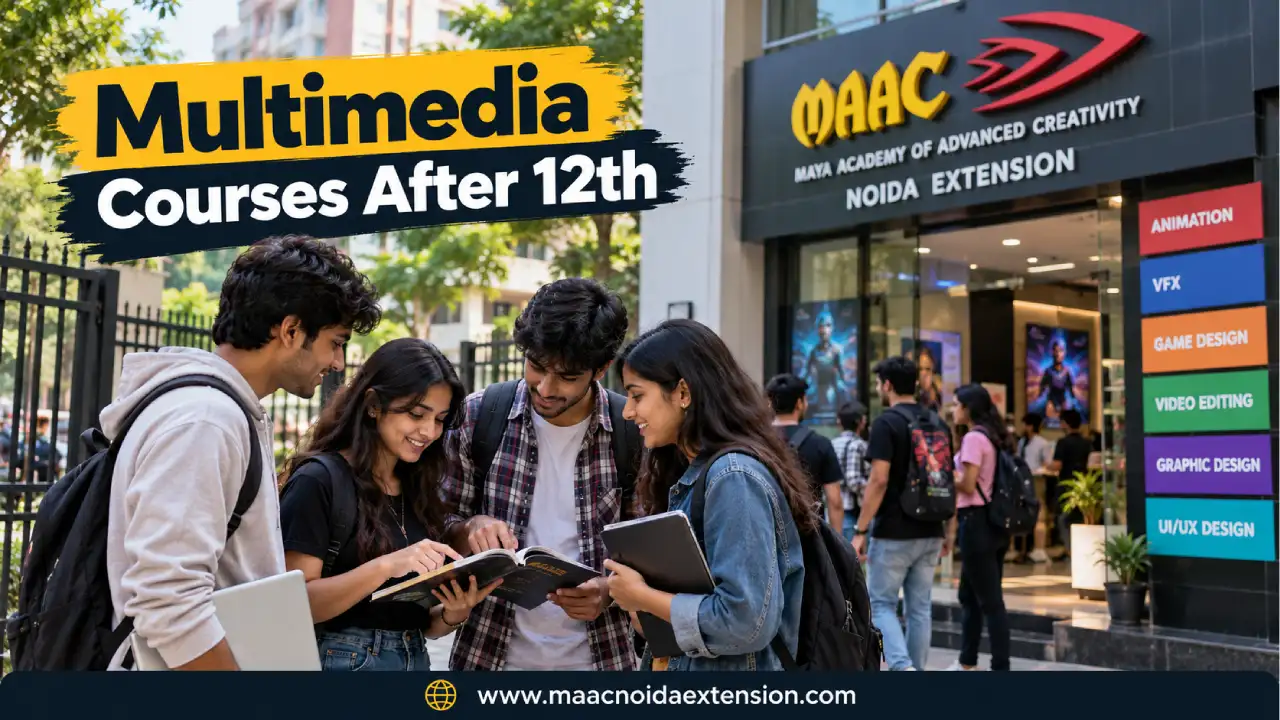
If you have completed Class 12 and want to learn video editing, you can start with a beginner-level course rather than immediately enrolling in a long-term programme. The right choice depends on your current skills, learning goals and whether you want to explore editing as a hobby or prepare for a professional career.
Here are three options to consider:
1. Short-Term Course for Beginners: If you have never used professional video editing software, a short-term course can help you understand the basics. You can start by learning how to cut and arrange clips, add transitions, work with audio and export videos.
This option is suitable if you want to explore video editing before committing to a longer programme.
2. Advanced Course for Skill Development: If you already understand basic editing, an advanced course can help you develop more professional skills. Depending on the syllabus, training may cover advanced editing techniques, colour correction, audio editing, motion graphics and working with different types of video projects.
This option is worth considering if you want to improve your editing skills and create more polished work.
3. Professional Diploma for Career Preparation: If your goal is to work as a video editor, a longer professional programme may give you more time to learn software, practise different editing techniques and work on projects for your portfolio.
Before enrolling, check the complete syllabus, practical training hours, project work and certification included in the programme.
At MAAC Noida Extension, the listed training options include a 3-month beginner course, a 6-month advanced course and a 9–12 month professional diploma. The fee depends on the programme you select, so contact the centre for the latest fee structure and course details.
A suggestion for students after 12th: Don’t choose a course just because it has the shortest duration or the lowest fee. First decide what you want to learn, then compare the syllabus, practical assignments and total course cost.
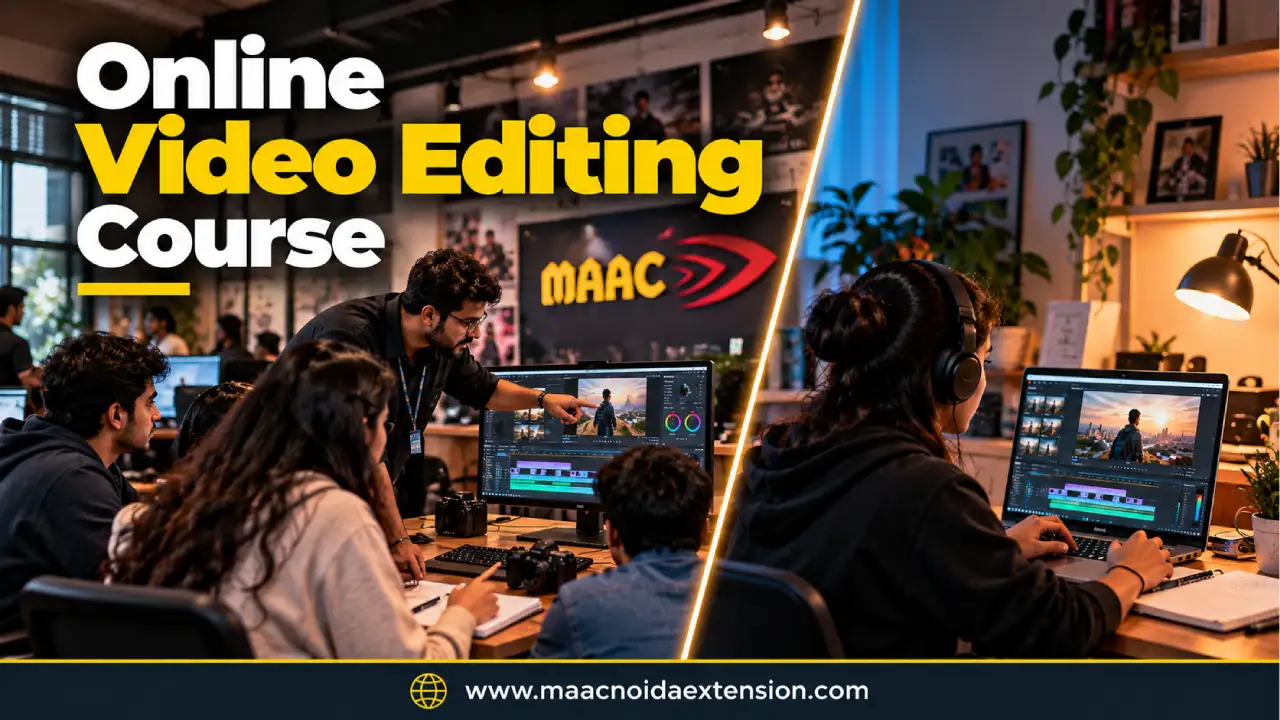
Online vs. Offline Video Editing Course Fees in Noida
Online and offline video editing courses differ in both fees and learning experience. Online courses are often more affordable and flexible, while classroom programmes may offer scheduled sessions, direct trainer guidance and a more structured approach to practical learning.
However, a higher fee does not automatically mean better training. Before choosing between an online course and an offline video editing institute in Noida, consider how much practical work you will get, whether you can receive feedback on your edits and how easily you can get your doubts resolved.
Feature
Online Course
Offline Institute
Learning format
Self-paced or live online classes
Scheduled classroom sessions
Flexibility
Usually more flexible
Follows a fixed timetable
Trainer interaction
Depends on the course
Direct interaction during classes
Practical assignments
Depends on the programme
Depends on the institute’s training plan
Feedback on projects
May be limited or online
Can be provided during classroom sessions
Software training
Depends on the syllabus
Depends on the syllabus
Best suited for
Self-learners who prefer flexibility
Students who prefer guided learning
The right choice depends on your learning style and the support you need. If you are comfortable following online lessons and practising independently, an online course may be sufficient to learn the basics. But if you are a beginner and prefer regular classes, direct trainer interaction and feedback on your projects, classroom training may be a better fit. If you are considering MAAC Noida Extension, ask about the class schedule, practical training hours, software covered and project work before comparing its fee with online courses.
Video Editing Course Fees with Placement in Noida
Video editing course fees with placement support in Noida depend on the course duration, practical training and career assistance included in the programme.
Before enrolling, check whether the institute provides portfolio guidance, interview preparation, job updates and employer connections. Also confirm whether placement assistance is included in the course fee or involves additional charges.
At MAAC Noida Extension, placement assistance is available to eligible students; however, it does not guarantee employment. Ask the centre about the current placement support process and the services included in your selected programme.
Remember: Compare the course fee, practical projects and placement support together rather than choosing an institute based only on its job assistance claims.
Related Blogs on MAAC
If you are still comparing your options, these guides may help:
Choosing the right video editing course is not just about finding the lowest fee. You should also consider the course duration, software training, practical projects, trainer guidance and career support offered by the institute.
If you’re planning to learn video editing in Noida, compare the available programmes and understand what is included in the total course fee before enrolling. At MAAC Noida Extension, you can explore beginner, advanced, and professional diploma options based on your learning goals.
For the latest video editing course fees, batch details and payment options, contact MAAC Noida Extension directly. Ask for the complete fee structure so you can make an informed decision before joining.
FAQs
What is the average fee for a video editing course in India?
Video editing course fees in India depend on the course type and duration. Short-term courses can cost a few thousand rupees, while professional and diploma programs can cost much more. Online courses are generally cheaper than classroom programs, but the fee also depends on the software, practical training and support included.
What are video editing course fees in Noida?
Video editing course fees in Noida vary by institute, course duration and level of training. Short-term courses can start from around Rs. 25,000 at MAAC Noida Extension, while longer professional programs can cost more. Ask the institute for the current fee of the specific program before enrolling.
What is the fee for a diploma in video editing?
A diploma in video editing can cost more than a short-term certificate course because it usually covers more skills, software and practical work. The exact fee depends on the institute and course duration, so compare the syllabus and total course cost instead of looking at the fee alone.
What is the fee for a short-term video editing course?
Short-term video editing course fees depend on the institute and duration. Before enrolling, check how many months the course runs, which software is covered, whether practical projects are included and whether certification is part of the fee.
Is a video editing course worth the fee?
A video editing course can be useful if you want structured learning, regular practice and guidance from a trainer. Before paying the fee, check the syllabus, software, practical projects, portfolio work and placement support. If you only want to learn the basics, a low-cost or free course may be enough to get started.
What should I check before paying video editing course fees?
Before paying the fee, ask for the complete course structure, duration, software covered, practical training, certification, project work and placement support. Also confirm whether there are any additional charges during the course. This makes it easier to compare two courses on their actual value instead of just their advertised price.
Himanshu is an SEO and content strategy specialist with 10+ years of hands-on experience in Technical SEO, primarily within the EdTech industry. At MAAC Noida Extension, he focuses on building search-first content that connects students with the right career opportunities in animation, VFX, filmmaking, and design.